
Get Tree Canopy Thinning in Boston, MA
Tree Canopy Thinning services help Boston property owners improve safety, reduce overgrowth, and enhance visibility by involving local contractors in selective tree trimming and removal projects.
Property owners in Boston, MA, considering tree canopy thinning often seek practical solutions to manage overgrown or densely packed trees. Proper thinning can improve sunlight penetration, promote healthier tree growth, and reduce the risk of branches becoming hazardous during storms. Exploring local contractors who specialize in canopy management can help ensure the work is tailored to the specific landscape and tree species common in the Boston area, making it easier to plan and compare options effectively.
Whether aiming to enhance the safety of outdoor spaces or support the long-term health of mature trees, property owners can benefit from connecting with experienced service providers in the community. These local contractors understand the unique environmental conditions of Boston and can assist in developing a maintenance plan that aligns with your property’s needs. Keep reading to learn more about how tree canopy thinning services can support your property’s landscape management goals.
- Urban Tree Management - when overgrown canopies in neighborhoods like Back Bay or South Boston need thinning for safety or clearance.
- Storm Damage Response - after severe weather events, thinning can help reduce the risk of falling branches or trees in areas such as Cambridge or Quincy.
- Health and Safety Clearing - when diseased or dead branches pose hazards near residential or commercial properties in neighborhoods like Dorchester or Brookline.
- Light and Airflow Improvement - to enhance sunlight and air circulation in densely planted city yards or parks in areas like Charlestown or East Boston.
- Pre-Construction Preparation - prior to construction projects to ensure trees do not interfere with building plans in neighborhoods like Fenway or the North End.
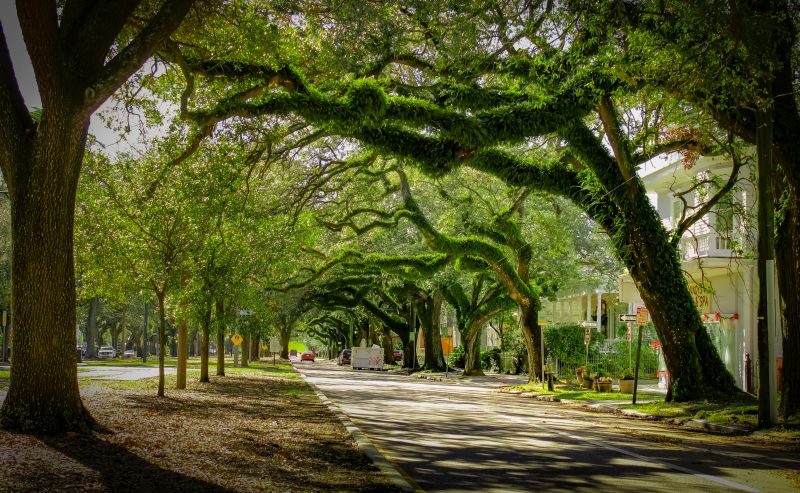
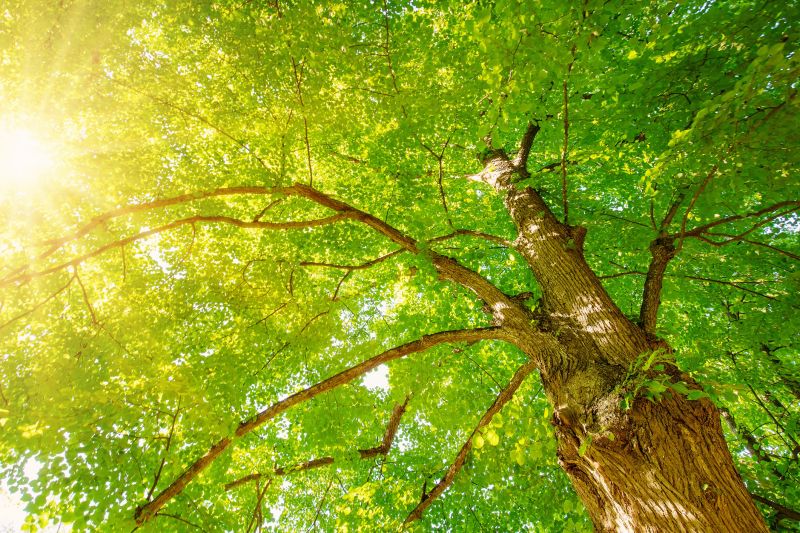
Tree canopy thinning services involve carefully reducing the density of tree branches and foliage to improve the health and safety of the trees and surrounding property. This process typically includes selectively trimming branches to allow more sunlight to reach the tree's interior and the ground below. It can also help prevent overgrowth that might cause branches to become weak or prone to breaking during storms. By removing excess foliage, professional contractors ensure that trees maintain a balanced structure, which can extend their lifespan and reduce the risk of damage to nearby structures or power lines.
These services are often sought to address specific problems associated with overly dense canopies. For example, thick foliage can block sunlight, leading to poor growth or unhealthy trees. It can also create excess weight on branches, increasing the likelihood of breakage during strong winds or storms. Additionally, dense canopies can trap moisture and create conditions conducive to disease or pest infestations. Thinning can help improve air circulation and reduce these issues, promoting healthier trees and reducing the risk of falling branches or tree failure that could cause property damage or injury.
Properties that typically use canopy thinning services include residential homes, especially those with mature trees close to the house or driveway. Commercial properties, parks, and public spaces also frequently benefit from this work to maintain safety and aesthetic appeal. In neighborhoods with older or larger trees, thinning can prevent branches from becoming hazardous over time. It is particularly useful for properties where overgrown trees interfere with utility lines, obstruct views, or create dense shade that affects lawns and gardens. Local contractors can assess each property’s needs and recommend the appropriate level of thinning to meet safety and health goals.
Homeowners and property managers may consider tree canopy thinning when noticing signs of overgrowth, such as branches hanging low over walkways, roofs, or power lines. It can also be a proactive step to prepare for storm seasons or to improve the overall appearance of a landscape. By working with experienced local service providers, property owners can ensure that trees are carefully and effectively thinned, reducing potential hazards while supporting the trees’ vitality. This service offers a practical solution for maintaining a safe, healthy, and attractive outdoor environment.
The overview below groups typical Tree Canopy Thinning projects into broad ranges so you can see how smaller, mid-sized, and larger jobs often compare in Boston, MA.
In many markets, a large share of routine jobs stays in the lower and middle ranges, while only a smaller percentage of projects moves into the highest bands when the work is more complex or site conditions are harder than average.
Small-Scale Thinning - Typically costs between $250 and $600 for routine jobs involving a few trees or light canopy adjustments. Many local contractors handle these projects efficiently within this range, which covers most standard thinning tasks.
Moderate Projects - Larger or more complex thinning jobs usually fall between $600 and $1,500. These projects often involve multiple trees or partial canopy removal and are common for residential properties seeking moderate canopy management.
Large or Commercial Jobs - Extensive thinning for larger properties or commercial sites can range from $1,500 to $3,500. Fewer projects reach this level, but they are typical for substantial property management or urban forestry needs.
Full Canopy Removal or Major Overhaul - Complete canopy thinning or significant tree work can exceed $3,500 and reach $5,000+ in complex cases. These are less common and usually involve multiple trees or intricate planning by local service providers.
Actual totals will depend on details like access to the work area, the scope of the project, and the materials selected, so use these as general starting points rather than exact figures.
Tree pruning and trimming - professionals skilled in selective cutting to improve tree health and structure, similar to canopy thinning techniques.
Urban forestry management - services that involve planning and executing tree care in city environments, requiring similar planning and equipment as canopy thinning.
Storm damage cleanup - contractors who remove fallen or damaged branches often use similar tools and safety protocols as those used in canopy thinning.
Landscape tree planting - experts who select and install new trees, understanding tree growth patterns and space considerations akin to canopy management.
Tree health assessments - specialists who evaluate tree conditions and recommend treatments, paralleling the planning involved in canopy thinning projects.
Emergency tree removal - service providers equipped to safely remove hazardous trees, sharing safety practices and equipment with canopy thinning professionals.
When evaluating service providers for tree canopy thinning projects, it’s important to consider their experience with similar types of work. Homeowners should inquire about the contractors’ background in managing tree thinning specifically, ensuring they have a solid understanding of the techniques and considerations involved. A contractor’s familiarity with local tree species and regional conditions can also contribute to a more successful outcome. Looking into the types of projects a contractor has completed can help determine if their expertise aligns with the specific needs of the property.
Clear, written expectations are essential for a smooth working relationship. Homeowners should seek detailed descriptions of the scope of work, including what services are included and what results can be anticipated. Having this information in writing helps prevent misunderstandings and ensures both parties are aligned on the project’s goals. It’s also helpful to ask for reputable references or examples of past work, which can give insight into the contractor’s reliability and the quality of their results. This transparency makes it easier to compare different local contractors and choose one that matches the homeowner’s expectations.
Good communication is a key factor when selecting a tree care professional. Homeowners should look for service providers who are responsive and willing to answer questions clearly and promptly. Effective communication can help clarify project details, address concerns, and keep the process running smoothly. Remember that the site provides access to local options and does not perform the work directly; it’s a resource for connecting with qualified contractors who can handle the project. Focusing on experience, clearly outlined expectations, reputable references, and strong communication can help homeowners find a trustworthy professional for tree canopy thinning services.
Property owners in Boston, MA use Tree Canopy Thinning services for practical projects around their homes and businesses. This guide focuses on everyday jobs and straightforward project options.
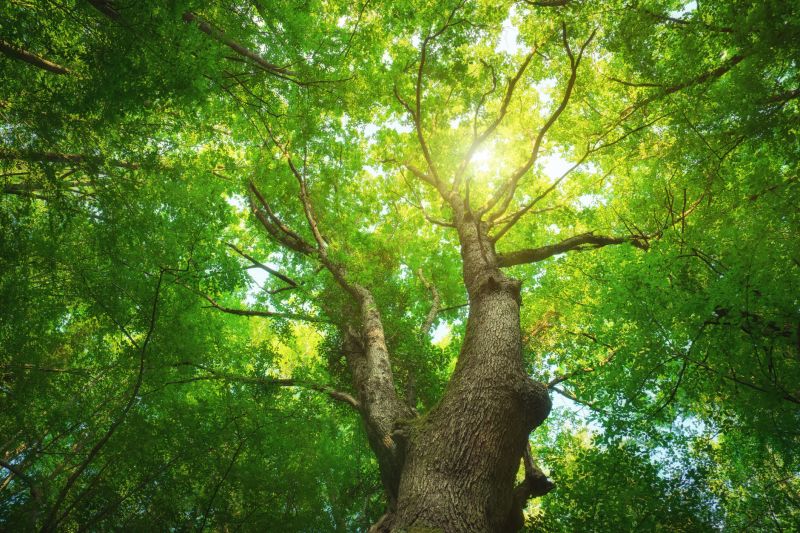
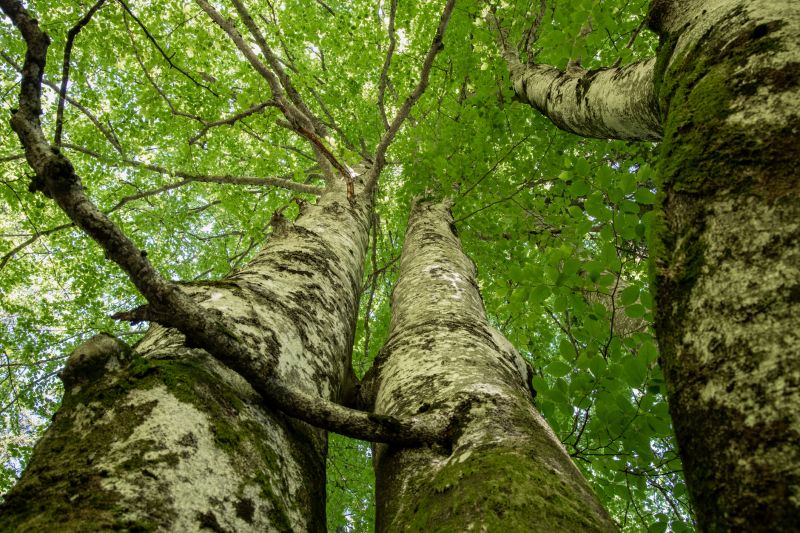
Tree canopy thinning services are often sought after by property owners in Boston who notice overgrown or dense branches that interfere with sunlight, views, or overall landscape aesthetics. In some cases, trees may have become too crowded, risking branches breaking or causing damage during storms. Local contractors can help selectively remove or thin out parts of the canopy to improve air circulation, reduce weight, and promote healthier growth, making outdoor spaces safer and more enjoyable.
Additionally, property owners may look for canopy thinning when trees are blocking important sightlines or encroaching on structures like roofs, power lines, or sidewalks. In urban areas like Boston, where space is limited, maintaining proper tree management can prevent potential hazards and keep properties compliant with local regulations. Skilled service providers can assess individual trees and perform targeted thinning to meet specific needs, ensuring trees remain healthy while minimizing risks.
What is tree canopy thinning? Tree canopy thinning involves selectively removing branches to reduce the density of a tree's foliage, which can improve air circulation and light penetration.
Why might someone need tree canopy thinning services? Property owners may consider canopy thinning to promote healthier tree growth, prevent branch overloading, or reduce shading issues on their property.
How do local contractors perform canopy thinning safely? Experienced service providers follow proper pruning techniques to ensure the health of the tree while reducing canopy density effectively.
Can canopy thinning help with tree health? Yes, properly performed thinning can reduce stress on the tree, decrease the risk of limb failure, and promote overall vitality.
What should be considered before hiring a canopy thinning service? It’s important to choose experienced contractors who understand proper pruning methods and can assess each tree’s specific needs.
Improve sunlight access - thinning tree canopies can increase sunlight reaching lawns, gardens, or outdoor living spaces.
Reduce storm damage risk - removing excess branches helps prevent falling limbs during storms, protecting property and pedestrians.
Enhance tree health - selective thinning promotes better airflow and reduces stress on trees, supporting their long-term vitality.
Maintain aesthetic balance - managing canopy density helps keep landscape views clear and maintains a tidy appearance around the property.
If you are thinking about Tree Canopy Thinning for a property in Boston, MA, this guide is meant to help you understand the work, the typical project types, and how different options might fit your plans.
When you are ready, you can use the quote form on this page to share a few details about your project. From there, local pros can review the basics and respond with options that match what you have in mind.